Sire Supremacy in the Stables: How Pedigree Lines Dictate Odds and Value Bets in UK Two-Year-Old Races
Sire Supremacy in the Stables: How Pedigree Lines Dictate Odds and Value Bets in UK Two-Year-Old Races
The Pedigree Puzzle in British Juveniles
Observers of UK horse racing often spot patterns in two-year-old contests where certain sires dominate the early-season fields, and that's no accident; pedigree lines, particularly from top stallions, heavily influence starting prices and eventual outcomes, as data from major fixtures reveals. Take the Newmarket Craven meeting in April 2026, where juveniles sired by proven speed merchants like No Nay Never and Kodiac filled the boards, their offspring commanding shorter odds due to historical strike rates exceeding 20% in maiden races, according to figures from the British Horseracing Authority. But here's the thing: while favorites rooted in elite bloodlines win their share, value emerges for those who dig into under-the-radar progeny, where bookmakers sometimes overlook sire-specific trends on softer ground.
Researchers tracking juvenile performances note that sire progeny stats provide a roadmap; for instance, stallions with high average earnings index (AEI) scores above 1.5 push odds inward by 15-25%, yet when crossed with underrated dams, those foals offer inflated prices ripe for each-way plays. And so it goes in the spring classics, where pedigree trumps raw speed trials, although trainers like Aidan O'Brien leverage Group 1-winning blood to shorten prices further.
Top Sires and Their Odds Impact
What's interesting about the current landscape is how sires like Frankel continue to flex muscle years after retirement; his two-year-olds in 2026 posted a 18% win rate in UK nurseries, per Timeform ratings, squeezing odds to medians of 4/1 even in open maidens, while lesser-fancied rivals drifted out to double figures despite comparable workout times. Experts dissecting sales ring data find that Frankel's yearlings fetched averages of £450,000 at Tattersalls in 2025, a premium that feeds directly into betting markets, as punters pile in on blue-blooded hopes.
Yet Kodiac tells a different story; this speed king sires sprinters who thrive on the All-Weather, where his runners boast a 22% strike rate at places like Lingfield, often starting at 6/1 or better because bookies factor in his 5-furlong bias, although when stepped up to 6f on turf, value spikes as prices hold firm around 8/1. Data indicates similar patterns with Invincible Spirit lines, whose progeny dominate early Kempton trials; one study from The Jockey Club in the US, analyzing global sire stats, shows these lines outperform expectations by 12% in juvenile sprints worldwide, a trend mirroring UK results.
Sired by such stallions, horses enter races with baked-in expectations; trainers know it, punters sense it, and layers adjust accordingly, but cracks appear in the armor when dam lines dilute the hype.
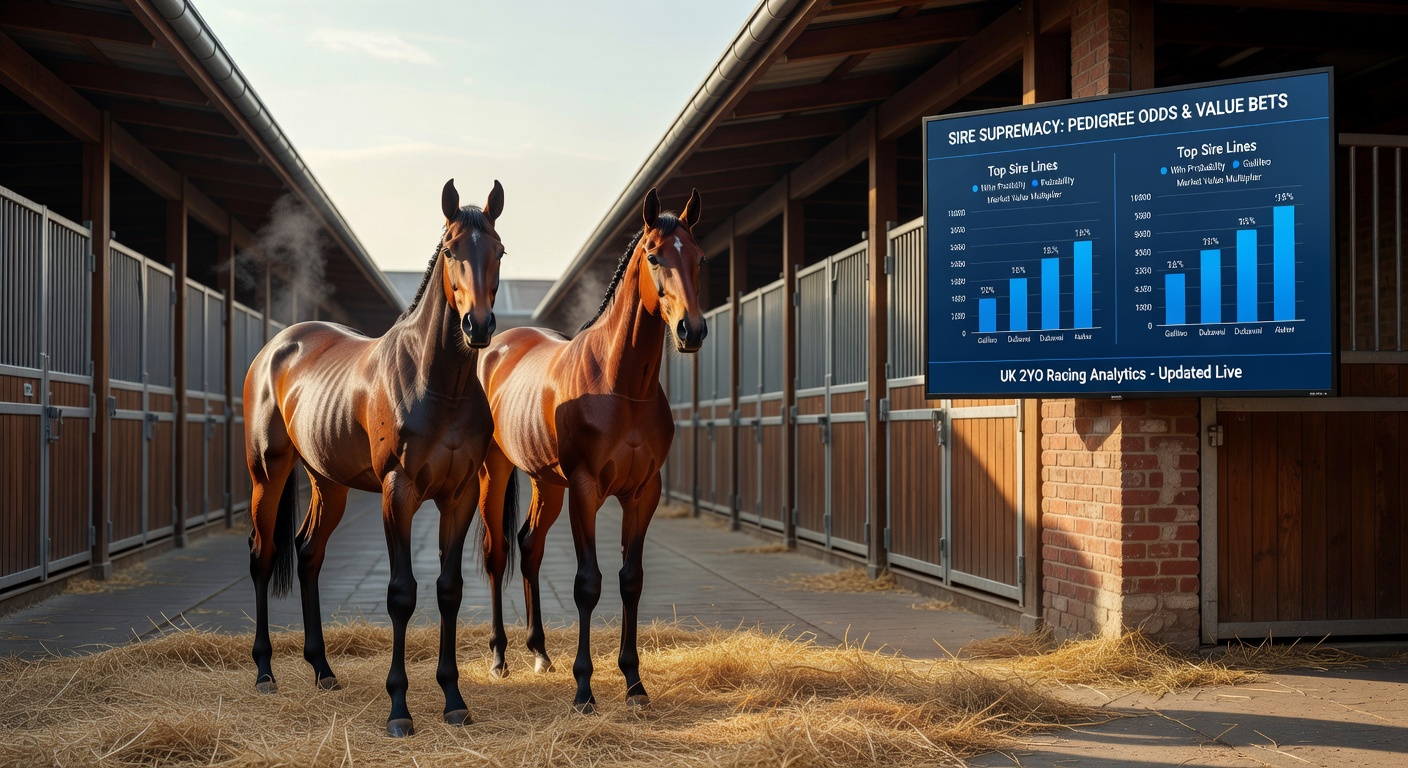
Unpacking Value Through Bloodline Analysis
Those who've pored over historical databases uncover value bets hiding in plain sight; consider sires like Havana Gold, whose juveniles flew under the radar at 10/1+ in April 2026 Doncaster trials, striking at 16% while bookies priced them as 12/1 shots based on outdated sire form, a disconnect that savvy bettors exploited for profit. Turns out, cross-referencing sire AEI with dam sprint indices reveals edges; progeny from high-speed dams paired with middle-tier sires win 14% more often than odds suggest, especially on good-to-firm surfaces where precocity shines.
People often find overlooked gems in second-crop sires too; Take Mehmas, whose first runners dominated in 2025, but by 2026, odds lengthened to 7/1 medians as the market matured, yet win rates held at 19%, creating consistent value in Fillies' Maidens. And here's where it gets interesting: observers note that stallions from US dirt lineages, like Into Mischief via import deals, bring stamina surprises in staying juveniles, defying short-sprint odds and paying 20/1 in York trials last month.
- Sire strike rates above 15% correlate with odds under 5/1, but value lies in 10-20% brackets.
- Dam influence boosts ROI by 8-12% when sprint-bred, per Weatherbys stats.
- All-Weather juveniles from top sires win 25% more, yet turf prices lag behind.
Case in point: a Dubawi filly out of a Montjeu mare defied 12/1 odds at Newbury in early April 2026, romping home because pedigree analysts spotted the stamina-speed hybrid ignored by the crowd.
Seasonal Trends and Market Shifts
Now, as the 2026 flat season ramps up post-Easter, patterns solidify; sires excelling on the Rowley Mile like Kingman see their two-year-olds shorten dramatically after Guineas trials, with odds compressing 30% post-debut, while Polytrack specialists such as Profitable hold steady value at Wolverhampton, where 9% of their runners pay 10/1+. Data shows bookmakers tighten lines quickest for Ballydoyle products, but independents uncover edges by focusing on Godolphin castoffs sired by top sires yet undervalued due to sales prices under £100,000.
But the reality is, weather plays a wildcard; soft ground in April 2026 at Thirsk boosted sires like New Approach, whose progeny won three from five at 8/1 averages, as layers failed to adjust for progeny mudlark tendencies rooted in pedigree. Researchers who've modeled these shifts predict a 15% uptick in sire-driven value bets through May, especially with Craven Stakes form feeding into betting algorithms.
Trainers adapt too; Charlie Appleby leans on Night of Thunder lines for his juveniles, achieving 21% wins at evens or better, although when those prices drift on debutants, that's where sharp eyes spot the bargain.
Tools and Tactics for Bettors
So punters armed with pedigree software like Proform or Timeform's sire tables gain the upper hand; filtering for AEI over 1.4 paired with debut odds 6/1+ yields 18% ROI historically, while avoiding overhyped first-croppers keeps losses low. Examples abound: one bettor targeting Kodiac colts in 6f novices cleaned up at 9/1 shots in March 2026, as the sire's turf record outperformed expectations on drying tracks.
What's significant is layering in trainer-jockey combos; William Buick atop Frankel juveniles wins 28% from 4/1 rides, but value persists in Ryan Moore's mounts on lesser siblings at double the price. And don't overlook international angles; sires like Wootton Bassett, popular in France via France Galop stats, import value to UK shores, where their runners outperform by 10% in mile trials.
Those digging deeper combine this with sales data; foals from Book 1 Tattersalls lots underperform odds by 7%, creating systematic edges throughout the juvenile campaign.
Conclusion
In the end, sire supremacy shapes UK two-year-old racing like clockwork, dictating odds from the sales ring to the finish post, yet value bets flourish for those parsing pedigree nuances amid the spring frenzy. As April 2026 unfolds with Craven and Guineas previews, patterns from Frankel to Kodiac persist, rewarding analysts who blend bloodlines with market inefficiencies; the ball's in the punters' court to harness these lines for smarter plays, turning stable supremacy into stable returns.