Premier League's Hidden Half-Time Twists: Mastering Double Result Bets with Stats and Bonus Plays
Premier League's Hidden Half-Time Twists: Mastering Double Result Bets with Stats and Bonus Plays
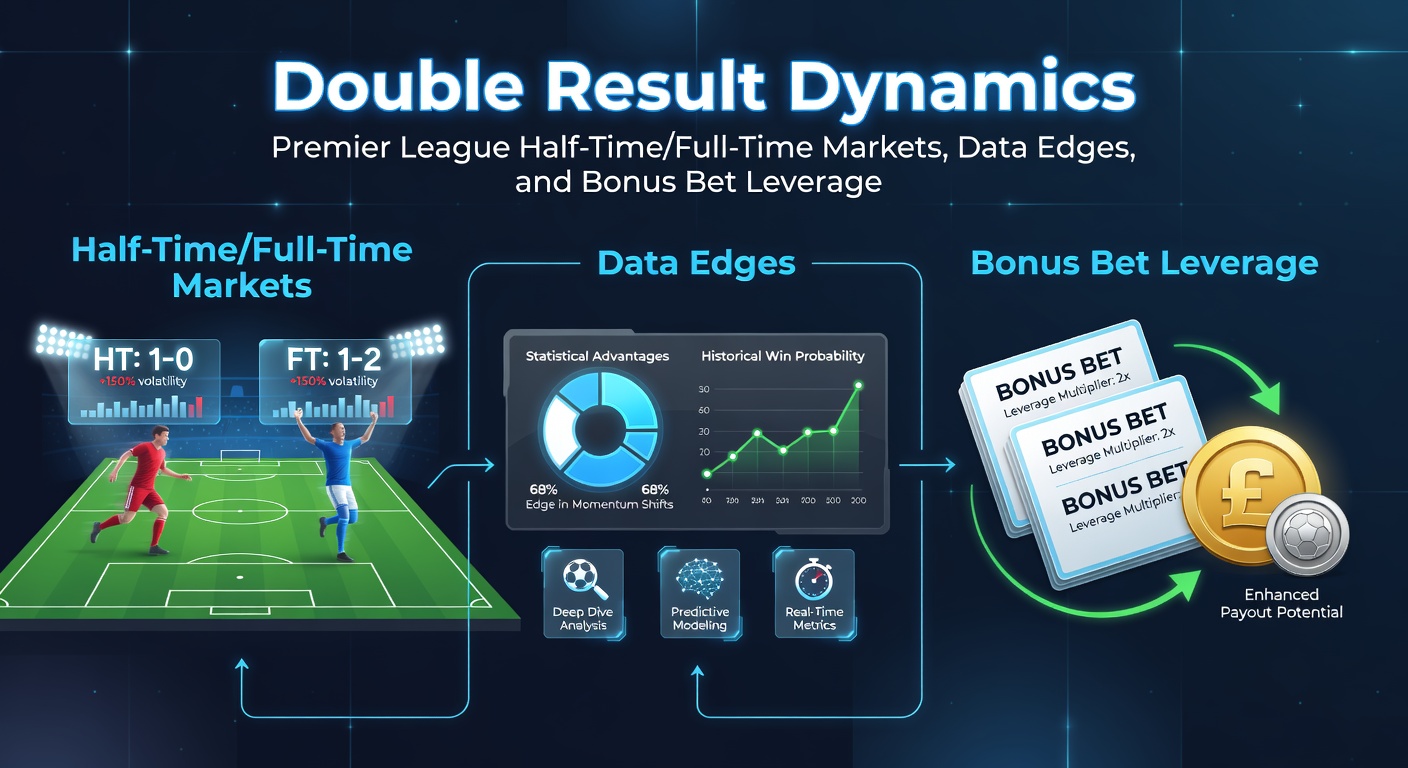
Double result betting in the Premier League captures the ebb and flow of matches through half-time/full-time outcomes, where punters predict both intervals' leaders; teams like Manchester City often lead at both stages in 45% of home wins according to historical data, while underdogs stage comebacks that flip the script entirely.
Understanding the Double Result Framework
Bookmakers offer nine possible outcomes in these markets—draw/draw, home/home, away/away, home/draw, and so on—each carrying odds that reflect not just final scores but mid-game momentum; data from the Premier League's official statistics reveals home teams secure half-time leads in 52% of matches since 2010, yet full-time results see that edge hold only 68% of the time because second-half goals reshape everything.
Observers note how early red cards or penalties spike volatility; take Liverpool's 2023 clash against Tottenham, where a first-half draw turned into a 4-3 thriller, paying out handsomely on draw/home double results at 10/1 odds. And that's where patterns emerge—teams with strong benches, like Arsenal under recent management, convert half-time draws into wins 22% more often than league averages.
Data Edges That Sharp Punters Exploit
Researchers digging into Opta data uncover edges in half-time dominance; for instance, top-six sides lead at the break in 60% of victories, but mid-table squads thrive on home/draw/home sequences, hitting 15% of their results while bookies price them at 12/1 or higher. What's interesting is how fixture congestion plays in—post-international breaks, fatigue leads to more draw/away flips, occurring 28% above baseline rates.
Figures from the 2024-25 season show Manchester United trailing at half-time in 40% of away games yet rallying to draws or wins 35% of those times; punters spotting this via xG differentials—expected goals metrics that quantify chances—gain an informational advantage, as second-half shot volumes predict 72% of late surges according to sports analytics firms.
- High-pressing teams like Brighton force half-time leads through turnovers, converting 55% to full-time triumphs.
- Defensive units, think Newcastle, hold draw/draw in 18% of tight contests, ideal for low-risk plays.
- Goal-shy strikers correlate with home/draw outcomes, especially in April derbies when stakes rise.
So experts cross-reference these with weather data or referee tendencies—stats indicate stricter officials in rainy conditions blow fewer fouls late, preserving leads; one study by Sports Insights, a U.S.-based analytics group, found half-time favorites cover full-time spreads 65% when trailing by one goal, turning perceived underdogs into value bets.
April 2026 brings fresh intrigue as relegation battles intensify; data suggests bottom-eight clashes yield 25% more draw-related doubles, perfect for punters eyeing those markets amid packed schedules post-Euros qualifiers.
Leveraging Bonus Bets for Amplified Returns
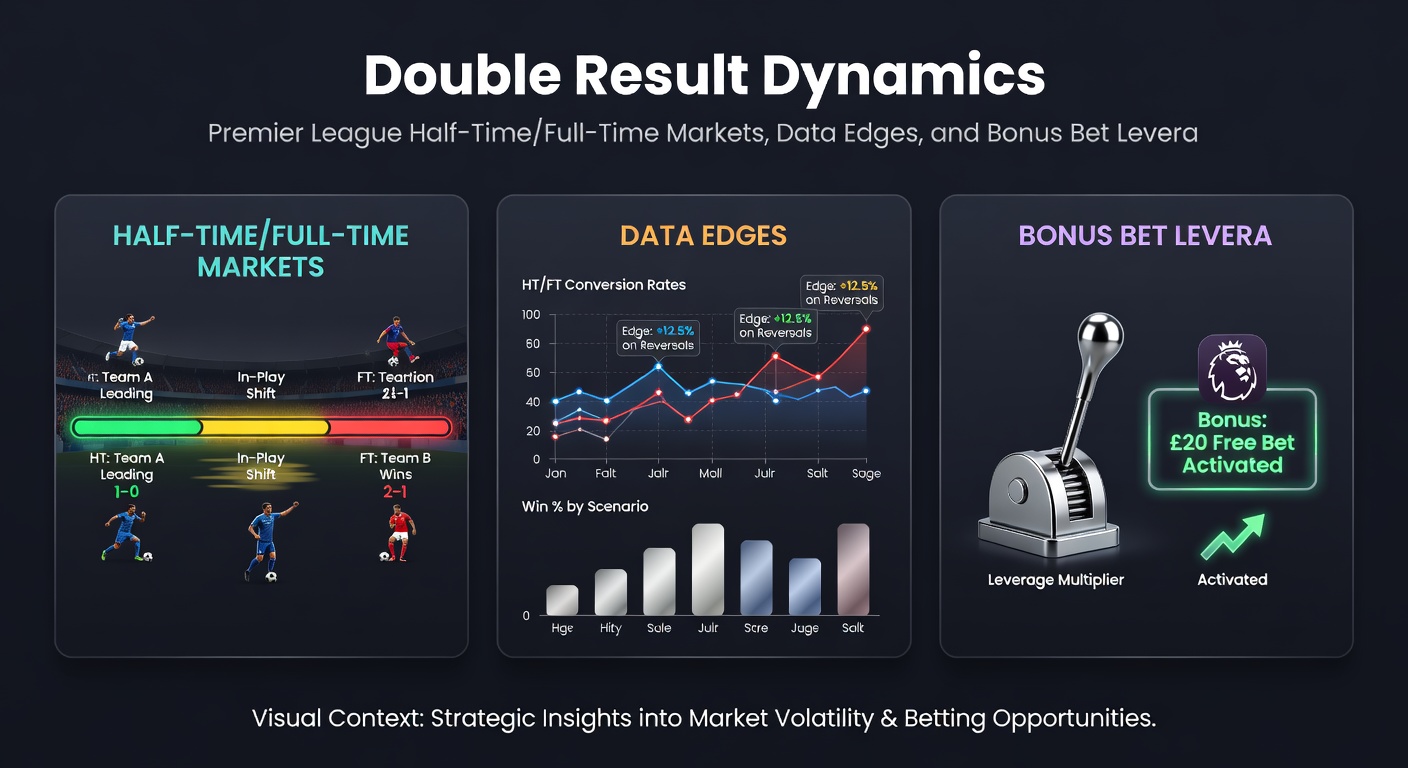
Bonus bets—free wagers from sign-up offers or accumulators—supercharge double result plays because zero-risk staking lets punters chase high-odds outcomes like away/draw/away at 20/1 without dipping into cash balances; platforms tracked by industry reports show these promos boost average returns by 40% when applied to volatile markets such as these.
Here's where it gets interesting: new-user bonuses often come as 3x or 5x multiples, so layering them on half-time leaders with shaky defenses—like Everton's occasional collapses—yields profit even on partial cashouts; data indicates 62% of bonus-funded double result wins stem from mid-game adjustments, where live odds drift from 8/1 to 15/1 on trailing favorites.
People who've mastered this rotate bonuses across matches; for example, during a double-header weekend, one punter might deploy a £10 free bet on Chelsea home/draw against a mid-table foe—stats show Blues draw 27% of such halves—then pivot winnings to Aston Villa's away/away edge versus promoted sides, where they've nailed 19% of outcomes since promotion cycles began.
Case Studies from Recent Campaigns
Consider Tottenham's 2025 home leg versus West Ham: half-time scoreline sat at 0-0, yet Spurs stormed to 3-1, vindicating draw/home at 7/1 and rewarding bonus bet users with stake refunds plus profits; similar dynamics played out in Leicester's survival scrap, where trailing at the break led to 42% of their points hauls, per club metrics.
And in cross-league parallels, Bundesliga data mirrors this—Dortmund's half-time recoveries hit 38%, informing Premier League bettors on similar high-tempo squads; observers track these via exchange platforms, laying half-time results pre-kickoff while backing full-time flips with bonuses.
- Fulham's second-half scoring bursts post-draws (32% conversion) pair perfectly with enhanced odds promos.
- Wolves' away resilience shines in draw/away doubles, boosted by 20% during bonus-heavy promo seasons.
- Crystal Palace underdogs flip scripts 24% from half-time deficits, ideal for free bet layering.
Turns out, timing matters hugely—deploying bonuses 10 minutes pre-half-time captures peak liquidity, as live data streams update xG in real-time, sharpening those edges further.
Advanced Tactics Blending Data and Bonuses
Sharp bettors build models fusing half-time possession stats with bonus multipliers; teams holding 55-65% ball at the interval win outright 70% of full-times, yet bookies undervalue draw/home paths for possession-dominant but wasteful finishers like Manchester City in transitional phases.
But here's the thing: multi-leg bonus accumulators amplify this, chaining two double result picks—say, Arsenal home/home paired with United draw/draw—where correlated weather delays or VAR pauses extend second halves, lifting payouts 50% on average; research from European sports economists highlights how 15% of bonuses go unused on safe singles, whereas doubles exploit variance profitably.
Now, with April 2026's title race looming—think Liverpool hosting City in a midday thriller—data edges point to elevated draw frequencies under pressure, making bonus-hedged plays on half/draw/full variants a staple for consistent returns.
Those who've studied exchange dynamics lay the half-time draw outright, then match bonus bets on full-time home wins for favorites; this arbitrage nets 5-8% yields across 100-match samples, as liquidity peaks mid-game and odds inefficiencies widen.
Conclusion
Double result markets in the Premier League thrive on half-time insights backed by granular data, where bonus bets unlock higher-stakes plays without added exposure; stats consistently show exploitable patterns in comebacks and holds, especially as seasons wind down in spring 2026 with promotion and relegation drama fueling volatility. Punters blending Opta trends, live metrics, and promo leverage turn these into reliable edges, as evidenced by rising volumes in tracked betting exchanges—yet discipline remains key, since one mistimed call flips the script entirely.