Immersive Virtual Environments Reshaping Online Casino Dynamics Across Borders
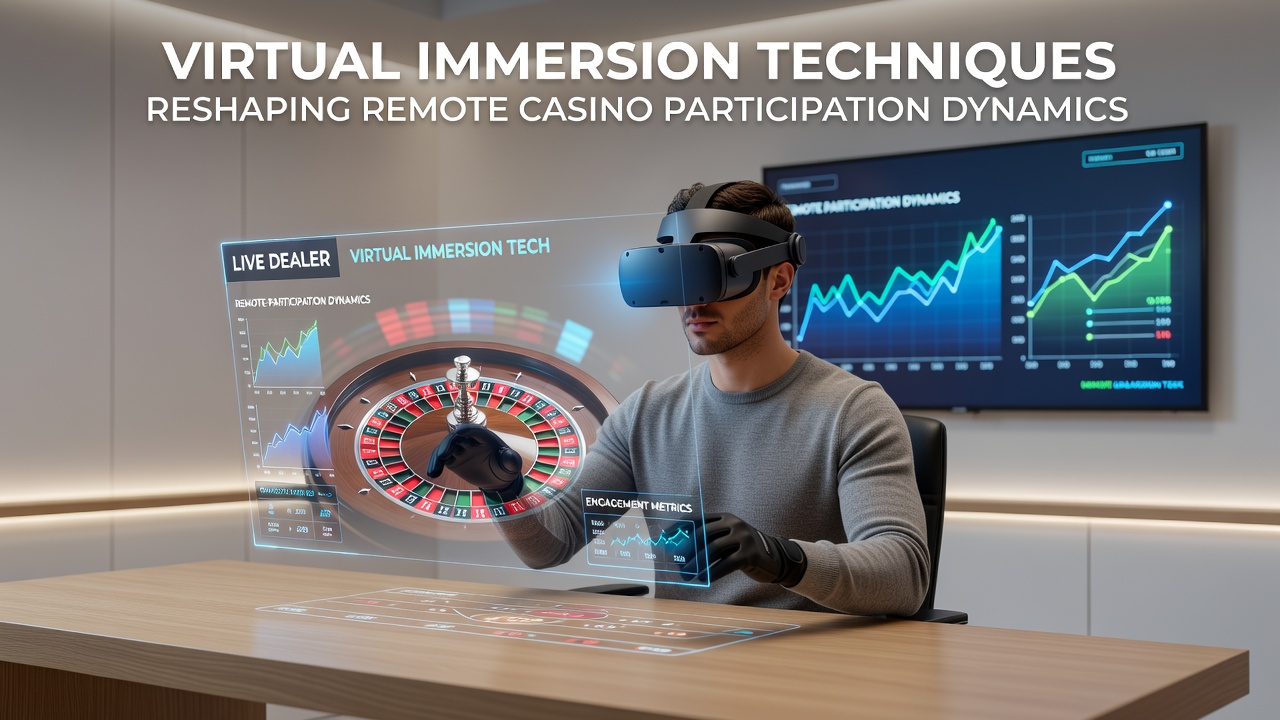
Virtual immersion techniques have begun to alter how participants engage with remote casino platforms, as developers integrate virtual reality headsets, spatial audio systems, and haptic feedback devices into gaming interfaces. These tools create simulated environments where users interact with digital representations of tables, slots, and dealers while maintaining physical separation from traditional venues. Research from academic institutions indicates adoption rates increased steadily through 2025, driven by hardware accessibility improvements and software compatibility expansions across multiple operating systems.
Developers have focused on 360-degree visual rendering combined with real-time motion tracking, allowing players to navigate virtual casino floors from their homes. Data from industry reports shows that platforms incorporating these elements report higher session durations compared to standard two-dimensional interfaces, with average participation times extending by measurable margins in controlled user studies. The integration of eye-tracking sensors further refines personalization, adjusting camera angles based on individual gaze patterns during gameplay sequences.
Technical Components Driving Participation Changes
Hardware advancements form the foundation of these shifts, with lightweight VR headsets now supporting extended wear periods without significant discomfort. Software layers connect these devices to live dealer streams, overlaying interactive elements such as virtual chips and card animations that respond to hand gestures captured through motion controllers. Observers note that this combination reduces the perceptual gap between physical and remote environments, enabling participants to experience spatial relationships similar to those found in land-based settings.
Audio enhancements play a central role, utilizing binaural recording methods to simulate directional sound sources from surrounding virtual players and ambient casino noise. Studies conducted at research universities demonstrate that such auditory cues influence decision-making speed during betting rounds, as users respond to localized audio prompts in ways that mirror on-site behaviors. Haptic vests and gloves add tactile dimensions, delivering vibrations corresponding to card deals or wheel spins, which data indicates heightens engagement metrics tracked by platform analytics.
Global Regulatory and Market Responses
Regulatory bodies outside the UK have begun evaluating frameworks for these technologies, with agencies in North America and Australia examining compliance standards for immersive features. In July 2026, updates from Canadian provincial oversight groups highlighted testing protocols for virtual reality integrations, focusing on fairness verification in simulated environments. These efforts aim to ensure that immersion elements do not compromise random number generation integrity or player protection measures embedded in platform code.
Market data reveals regional variations in uptake, with European operators reporting faster implementation timelines due to established broadband infrastructure, whereas Asian markets emphasize mobile-compatible immersion solutions adapted for smaller screen formats. Industry associations have documented partnerships between hardware manufacturers and casino software providers, resulting in standardized application programming interfaces that streamline cross-platform deployment.
User Behavior Patterns and Platform Adaptations
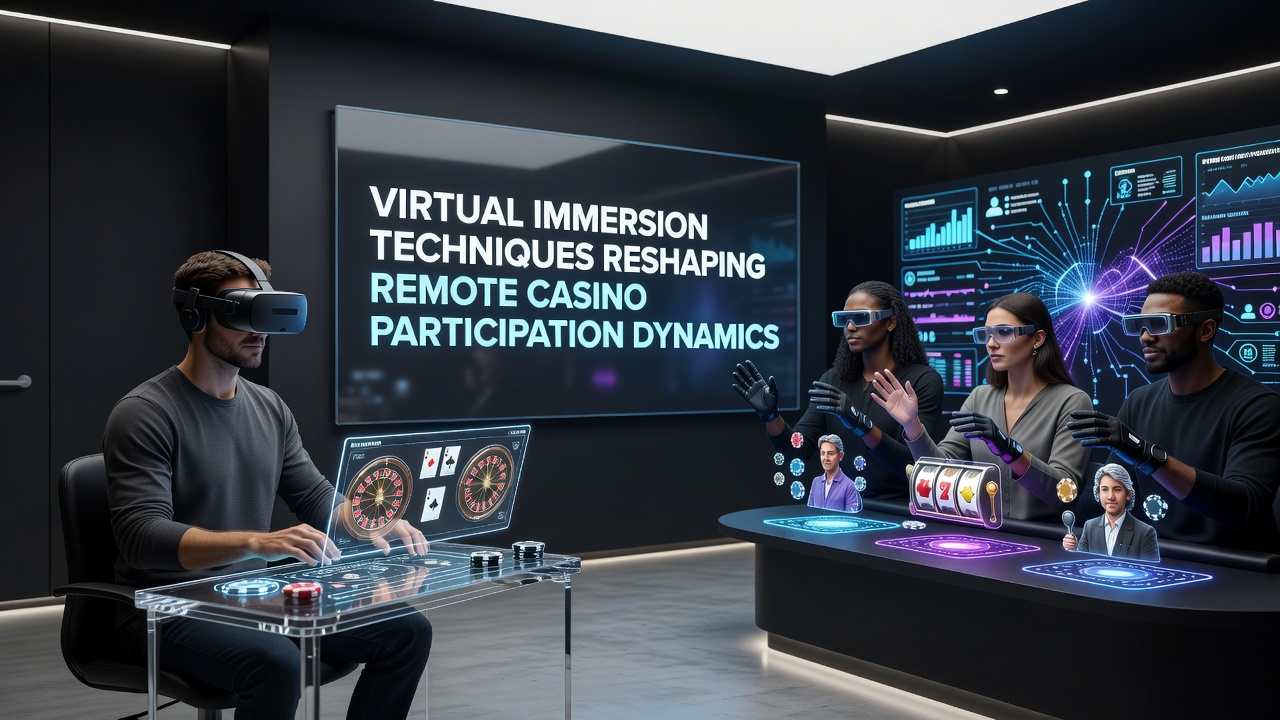
Participation dynamics show distinct trends as users adapt to immersive interfaces, including extended exploration of virtual spaces beyond core game mechanics. Platform operators have introduced social features such as avatar customization and virtual seating arrangements, which studies suggest foster community interactions similar to those observed in physical casinos. Analytics from multiple providers indicate that these elements correlate with increased return visit frequencies, particularly among demographics aged 25 to 40 who demonstrate higher comfort levels with VR hardware.
Training modules within platforms help new participants acclimate to gesture-based controls and spatial navigation, reducing initial learning curves documented in early adoption phases. Data collected through 2026 points to gradual convergence between traditional remote play metrics and those recorded in immersive sessions, suggesting that familiarity with teh technology normalizes participation patterns over successive months.
Challenges in Implementation and Measurement
Technical barriers persist, including latency issues that can disrupt immersion when network conditions fluctuate, prompting developers to optimize compression algorithms for smoother data transmission. Accessibility concerns arise for users with motion sensitivity, leading some platforms to include adjustable intensity settings for visual and haptic feedback. Research papers from European academic centers have examined these factors, providing quantitative assessments of user retention rates across varied hardware configurations.
Measurement of participation changes relies on aggregated telemetry from device sensors, tracking metrics such as head movement frequency and interaction density during sessions. These datasets allow operators to refine content delivery without relying on self-reported feedback alone, yielding objective insights into how immersion techniques influence time spent on specific game types like poker variants or roulette simulations.
Conclusion
Virtual immersion techniques continue to influence remote casino participation through layered technological integrations that enhance sensory engagement while preserving regulatory compliance structures. Ongoing developments in hardware and software point toward broader accessibility, as evidenced by expanding partnerships and standardized protocols documented across international markets. Observers continue to monitor these evolutions through empirical data collection, focusing on sustained behavioral shifts rather than short-term fluctuations in user activity.