Algorithmic Threads: Mapping Casino Payout Models Against Football Accumulator Mechanics
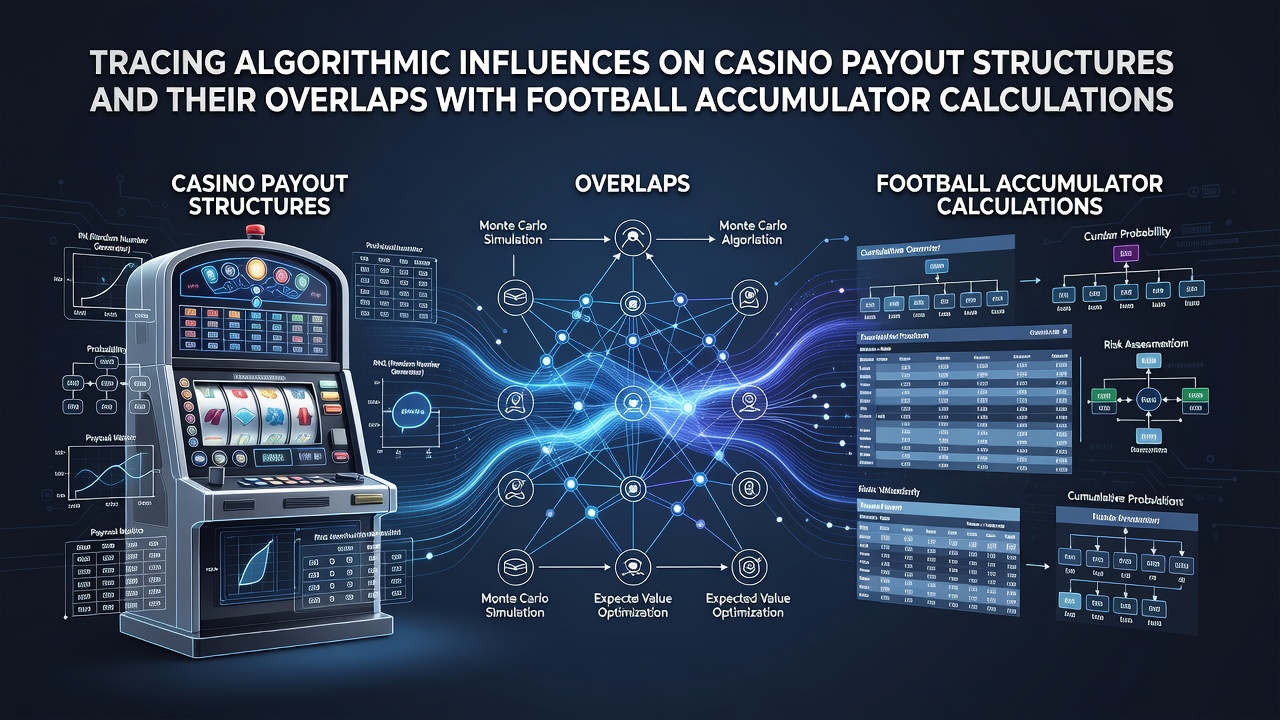
Algorithmic systems shape payout structures across casino environments through random number generators and return-to-player calculations, while football accumulator models rely on similar probability engines to multiply odds across multiple selections. Observers note that both domains process large datasets to determine expected values, though the applications differ in regulatory oversight and real-time adjustment capabilities.
Core Components of Casino Payout Algorithms
Casino operators deploy certified random number generators that determine symbol outcomes on slots and card distributions in table games, with return-to-player percentages typically ranging between 92 and 98 percent depending on jurisdiction and game type. These systems incorporate weighted reels and virtual stop positions that maintain house edges while meeting compliance standards set by bodies such as the Nevada Gaming Control Board. Data from industry reports shows that payout percentages undergo periodic audits, ensuring that theoretical returns align with actual play volumes over extended periods.
Modern implementations integrate machine learning layers that analyze player behavior patterns to adjust promotional bonuses without altering core random outcomes. Such adjustments occur through separate marketing modules rather than direct interference with the generator itself, maintaining separation between randomness and commercial incentives.
Mechanics Behind Football Accumulator Calculations
Football accumulator calculations combine individual match probabilities into a single payout figure by multiplying decimal odds across selections while applying margin adjustments that reflect bookmaker risk exposure. Software platforms process historical performance metrics, current form indicators, and situational variables such as venue and weather to generate base odds before layering correlation factors that account for interdependent outcomes across matches. Research from academic institutions in Australia indicates that accumulator models frequently employ Monte Carlo simulations to estimate payout distributions across thousands of possible result combinations.
These systems update odds dynamically during live events, recalculating implied probabilities as new data streams arrive from pitch-side tracking technologies. The resulting accumulator prices embed both statistical edges and liquidity considerations that protect operators against concentrated liability on popular multi-leg bets.
Points of Overlap in Algorithmic Design
Both casino payout engines and accumulator platforms rely on expected value formulas that balance theoretical return against variance. Casino random number generators use seed values and cryptographic hashing to produce unpredictable sequences, while accumulator software applies similar hashing techniques to secure betting ledgers and prevent outcome manipulation. A study published by the University of Las Vegas found comparable matrix multiplication routines in codebases handling slot RTP verification and multi-selection bet settlement.

Correlation modeling appears in both fields when operators evaluate risk across portfolios. Casino systems track aggregate RTP across game libraries to maintain overall margins, whereas accumulator platforms assess joint probabilities between correlated football markets such as over/under goals and correct score lines. In July 2026, several European regulatory agencies began requiring standardized reporting formats that capture these overlapping risk metrics, enabling cross-jurisdictional comparisons of algorithmic fairness.
Hardware acceleration plays an increasing role as well. Graphics processing units now handle the intensive simulations required for both real-time slot outcome verification and live accumulator repricing, reducing latency between data ingestion and displayed odds or payout percentages.
Regulatory and Technical Divergences
Despite shared computational foundations, regulatory frameworks diverge sharply. Casino RNG certification demands third-party laboratory testing with fixed test suites, whereas accumulator models face scrutiny primarily through responsible gambling filters and maximum payout caps. Industry associations in Canada have published guidelines that highlight these distinctions while acknowledging common data integrity requirements for audit trails.
Software vendors sometimes supply modular components used in both sectors, yet licensing agreements enforce strict separation of random number functions from odds compilation engines. This modular approach reduces development costs while preserving compliance boundaries.
Conclusion
Tracing algorithmic influences reveals structural similarities in how expected values, correlation adjustments, and simulation techniques operate across casino payout structures and football accumulator calculations. Data from multiple regulatory regions shows continued convergence in underlying mathematics even as oversight mechanisms remain distinct. Further examination of code-level implementations and reporting standards emerging in 2026 will clarify the extent of these overlaps without implying operational equivalence between the two betting formats.