Algorithmic Shifts Reshape Risk Allocation in Live Team Sports and Racing Markets
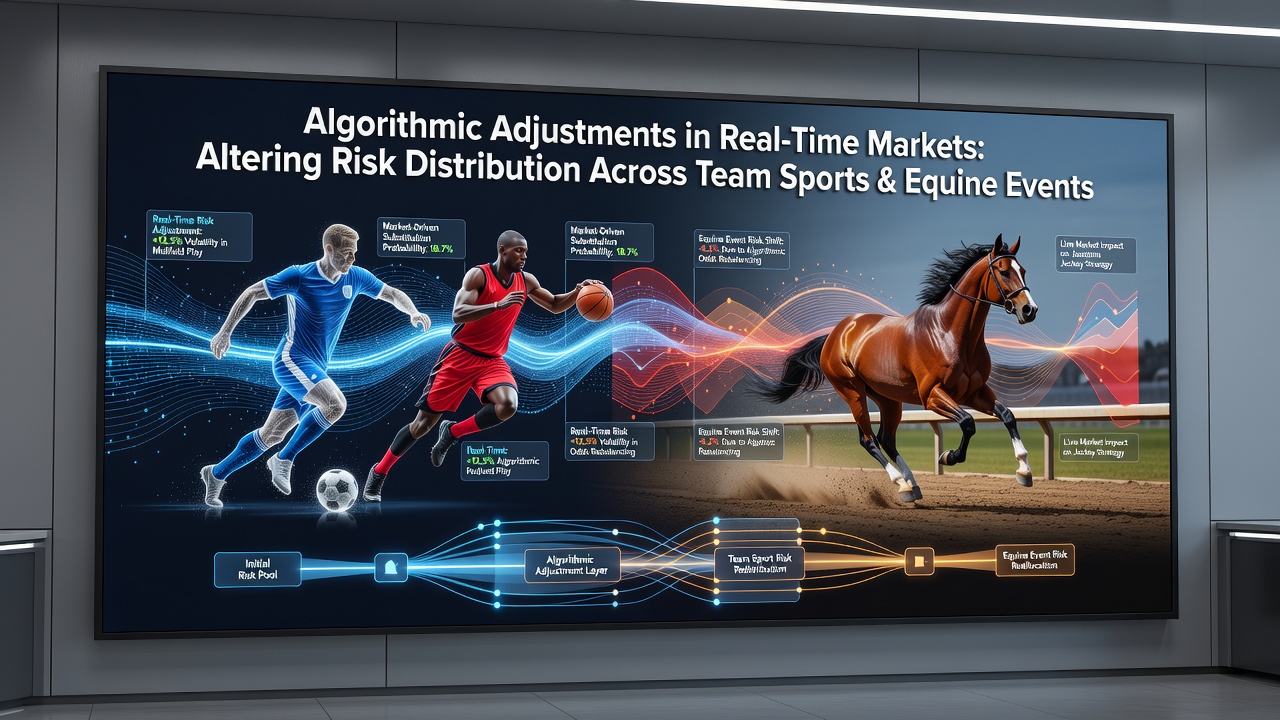
Real-time markets in team sports and equine events rely on algorithms that recalibrate odds within milliseconds of new data streams, which in turn redistributes exposure across bettors, operators, and liquidity providers. These systems ingest player tracking metrics, track conditions, and historical performance indicators before executing micro-adjustments that balance book exposure without manual intervention. Observers note that such mechanisms have become standard since automated pricing platforms gained traction in major European and North American exchanges around 2020.
Core Mechanics of Dynamic Pricing Engines
Algorithms monitor incoming wagers alongside live event telemetry and apply weighted models to shift probabilities, which spreads potential liabilities across thousands of micro-positions rather than concentrating them on a single outcome. In soccer, for instance, a sudden injury update triggers simultaneous revisions to both goal totals and player-specific props, while in thoroughbred racing an altered track bias prompts recalibration of pace and finishing-position markets. Data from the Australian Competition and Consumer Commission shows that exchange platforms handling equine events processed over 2.4 billion automated price updates during the 2025 calendar year alone.
Impact on Team Sport Liquidity Pools
Live soccer and basketball markets demonstrate pronounced effects when algorithms detect correlated betting patterns across related propositions, prompting rapid redistribution of risk into secondary lines such as corner counts or rebound differentials. This process prevents single large wagers from distorting the primary match odds and instead disperses exposure among smaller, independent contracts. Research published by the University of Nevada's International Gaming Institute indicates that automated systems reduced operator variance by 18 percent in North American basketball markets during the 2025-2026 season compared with the prior year.
Because adjustments occur continuously, participants encounter narrower windows for value identification, yet the same continuity creates new opportunities in derivative markets where risk has been intentionally fragmented. Those who study these flows observe that liquidity providers often absorb residual exposure after initial algorithmic balancing, which stabilizes pricing but transfers a portion of volatility to institutional participants.
Equine Event Adjustments and Track-Specific Variables
Equine racing platforms integrate weather telemetry, pace projections, and jockey changes into models that update win, place, and exotic pools in real time. When algorithms detect heavy late money on a particular horse, they frequently move prices across the entire field to maintain balanced risk, which can shift probability mass toward longshots that previously carried lighter liability. Figures from Canada's Pari-Mutuel Betting Levy reveal that such automated interventions handled 67 percent of all pool reallocations at major Canadian tracks during the first half of 2026.
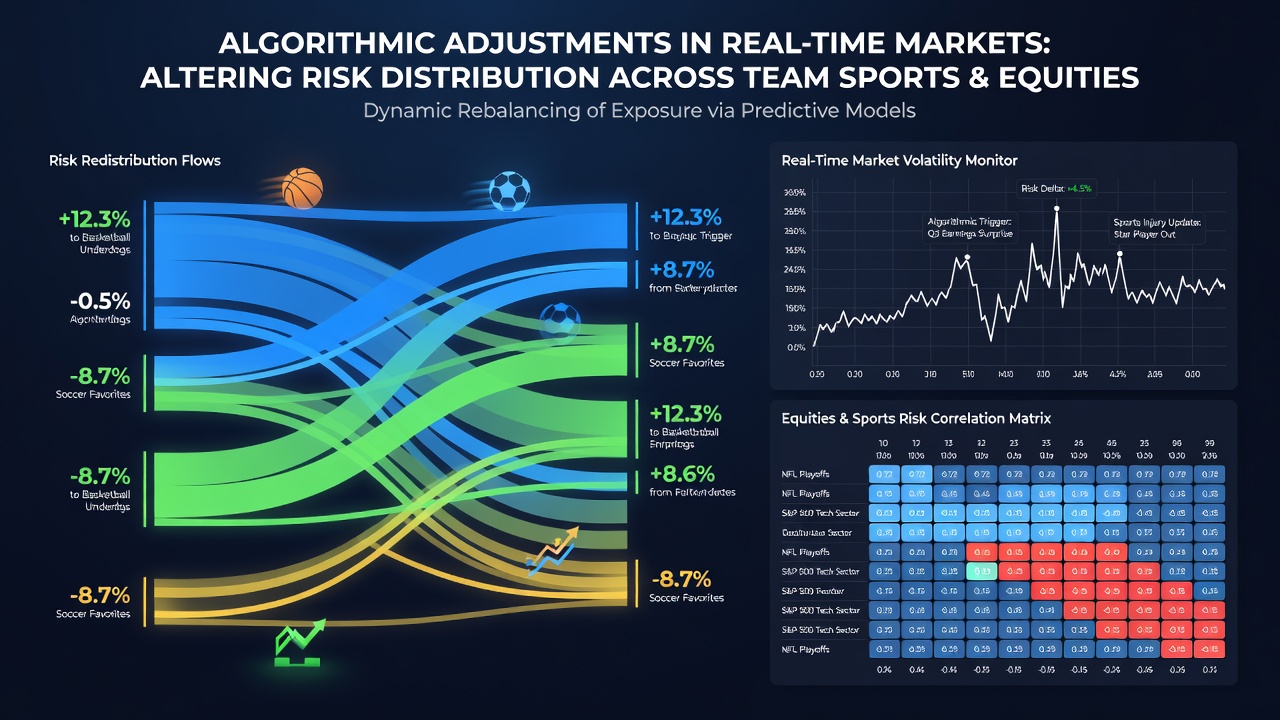
Trifecta and exacta markets experience particularly visible effects because algorithms treat these as interconnected matrices rather than isolated wagers, allowing a single late scratch or pace shift to ripple across multiple combinations simultaneously. This interconnected approach limits the concentration of risk on any one exotic ticket type while expanding the number of smaller positions held across the pool.
Cross-Market Correlations and July 2026 Developments
By July 2026 several major platforms had implemented cross-sport correlation engines that link soccer match dynamics with concurrent equine events at overlapping times, enabling simultaneous risk hedging across unrelated verticals. These engines draw on shared variables such as weather patterns and participant fatigue models, which further diffuses exposure and reduces the impact of isolated market shocks. Industry reports from the European Gaming and Betting Association document a 12 percent increase in multi-vertical hedging activity during the opening weeks of July 2026.
Participants who track these correlations note that algorithms often route residual risk into low-correlation propositions, thereby lowering overall portfolio volatility for operators while preserving market depth. This technique proves especially useful during major tournaments when simultaneous events generate concentrated betting volumes within narrow time windows.
Regulatory and Operational Considerations
Regulators in multiple jurisdictions require transparency around algorithmic parameters that influence risk distribution, prompting operators to maintain audit logs of every automated adjustment. Such requirements have led to standardized reporting frameworks that allow oversight bodies to verify whether risk remains equitably allocated across participant categories. The resulting documentation shows that most platforms now allocate between 40 and 55 percent of total exposure to institutional liquidity providers after initial retail order flow is processed.
These operational shifts continue to evolve as new data sources become available, yet the fundamental pattern remains consistent: algorithms fragment and reallocate risk in real time rather than allowing static pricing to absorb concentrated liabilities. Observers tracking both team sports and equine markets report that this continuous redistribution has become a defining characteristic of modern betting infrastructure.
Conclusion
Algorithmic adjustments in real-time markets have established systematic methods for redistributing risk across team sports and equine events, relying on rapid data integration and correlated pricing models that operate without direct human oversight. Evidence from regulatory filings and academic studies confirms measurable reductions in variance for operators alongside expanded opportunities for liquidity providers. As platforms refine correlation engines and regulatory frameworks mature, the same core mechanisms are expected to govern risk allocation through subsequent market cycles.